
A fresh row over Greenland is spilling into trade with Washington flagging new tariffs on European allies as Denmark bolsters its presence on the Arctic island and European capitals move to coordinate a response.
The latest escalation followed comments by US President Donald Trump linking the dispute to security concerns in the Arctic and warning of additional import tariffs on goods from a group of European countries unless the United States is able to strike a deal to buy Greenland.
The White House has threatened an extra 10% tariff on imports from Denmark, Norway, Sweden, France, Germany, the Netherlands, Finland and Great Britain from February 1 with a plan to lift that to 25% from June 1 if there is no agreement on Greenland.
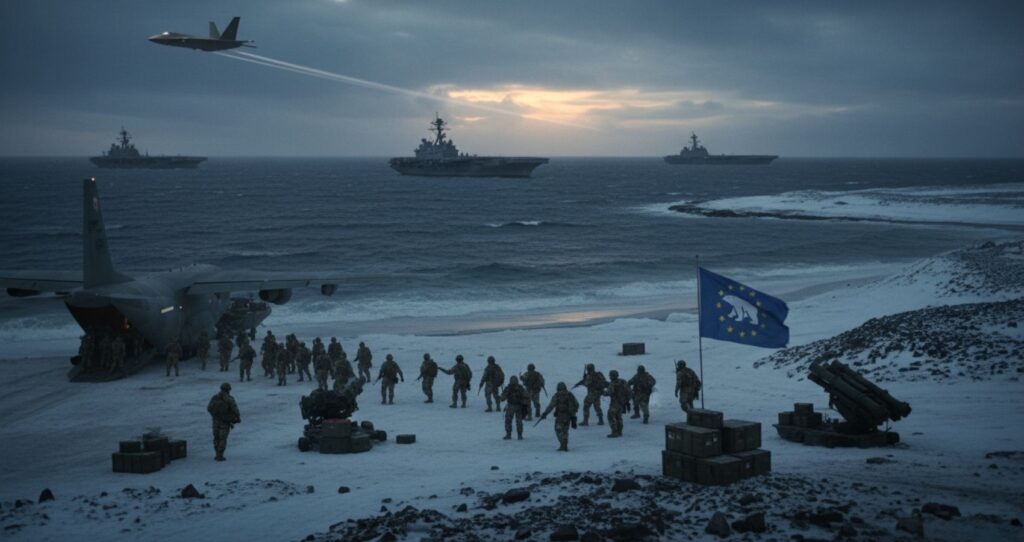
Denmark has responded by reinforcing its military posture on the island with local media reporting more Danish combat soldiers were due to arrive in Kangerlussuaq on Monday as part of a broader build up.
The standoff has pushed European leaders into an unusual mix of defence messaging and trade contingency planning.
German and French finance ministers Lars Klingbeil and Roland Lescure said Europe would not be blackmailed and signalled the European Union could consider countermeasures including a sizeable tariff package and use of the bloc’s Anti Coercion Instrument.
In London, Prime Minister Keir Starmer has sought to cool the temperature while rejecting the premise that Greenland could be bought or annexed.
The Guardian reported Starmer argued tariffs on allies were wrong and said the issue should be handled through calm talks even as domestic pressure grew for a tougher response.
Greenland is a self governing territory within the Kingdom of Denmark and the island’s leaders have repeatedly rebuffed past US interest in acquisition.
The renewed focus has prompted demonstrations in Nuuk and sharpened debate over sovereignty and Arctic security.