Sydney’s emergency protest restrictions will remain in place for another fortnight after NSW Police Commissioner Mal Lanyon extended a Public Assembly Restriction Declaration covering three metropolitan policing areas.
The extension means public assemblies in the South West Metropolitan, North West Metropolitan and Central Metropolitan policing areas cannot be formally authorised under the Summary Offences Act 1988, with Form 1 applications not accepted during the period.
NSW Police said any existing authorisations are taken to be revoked, leaving people who take part in an assembly without the usual legal protections relating to obstructing traffic or pedestrians.
Commissioner Lanyon said the decision was made in light of the ongoing community safety impacts of further protests in the wake of the Bondi attack, which police said was declared a terrorist incident at the time.
Mal Lanyon, NSW Police Commissioner, said in a statement that “The extension declaration recognises that further protest activity at this time is likely to heighten tension, generate division in the community and present a risk to community safety.”
Under the framework, gatherings are still permitted but police can issue move on directions where people are causing obstructions, behaving in an intimidatory or harassing manner or where they might cause fear in another person.
Police also have authority to require the removal of face coverings for identification purposes if they suspect offences are being committed.
The restrictions were first activated on Christmas Eve within hours of the legislation passing parliament after the Bondi attack on December 14. The declaration is reviewed in 14 day blocks and can be extended fortnightly for up to three months.
The move has sharpened the political and legal fight around the Minns government’s post Bondi package, which also included changes aimed at hate speech and other public safety measures.
In a December ministerial release announcing the reforms, the government said the changes were designed to restrict the authorisation of public assemblies in designated areas after a terrorist incident to protect the community and allow police to focus on keeping people safe.
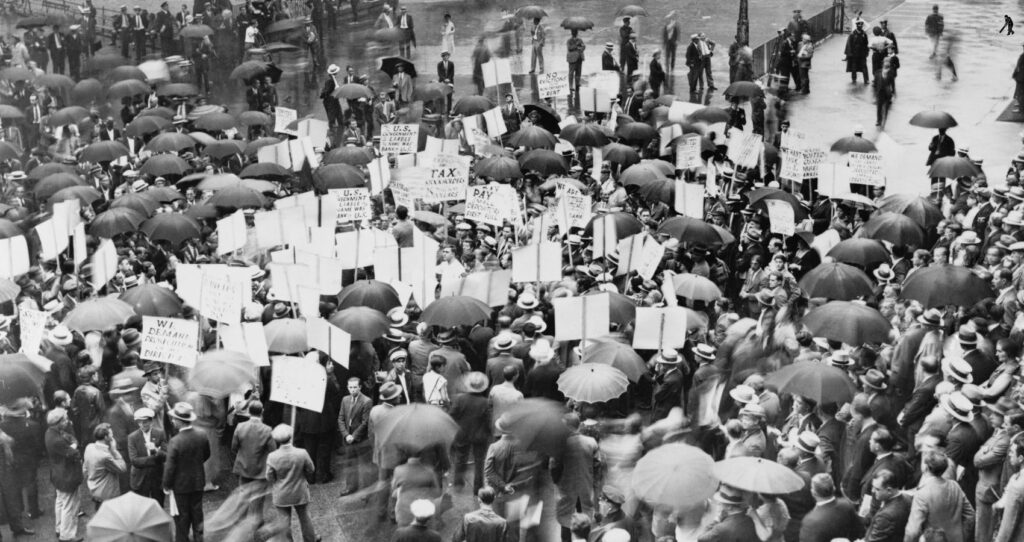
Opponents argue the practical effect is to chill protest by stripping away the permit system that gives organisers clarity and reduces the risk of offences such as traffic obstruction.
Timothy Roberts, president of the NSW Council for Civil Liberties has described the impact as a chilling effect on democratic rights.
The extension is also likely to intensify scrutiny ahead of major summer events. Commissioner Lanyon said it was too early to say what the settings would be for planned Invasion Day rallies on January 26 with the current declaration running until January 20.
Activist organisations have flagged a court challenge with Palestine Action Group, Jews Against the Occupation 48 and the First Nations led Blak Caucus saying they intend to file a constitutional challenge in the NSW Supreme Court this week.
The debate has been sharpened by recent rallies that proceeded despite the restrictions including gatherings in Sydney’s CBD linked to overseas events which police and government figures have cited as part of a broader concern about tension and the potential for confrontation.