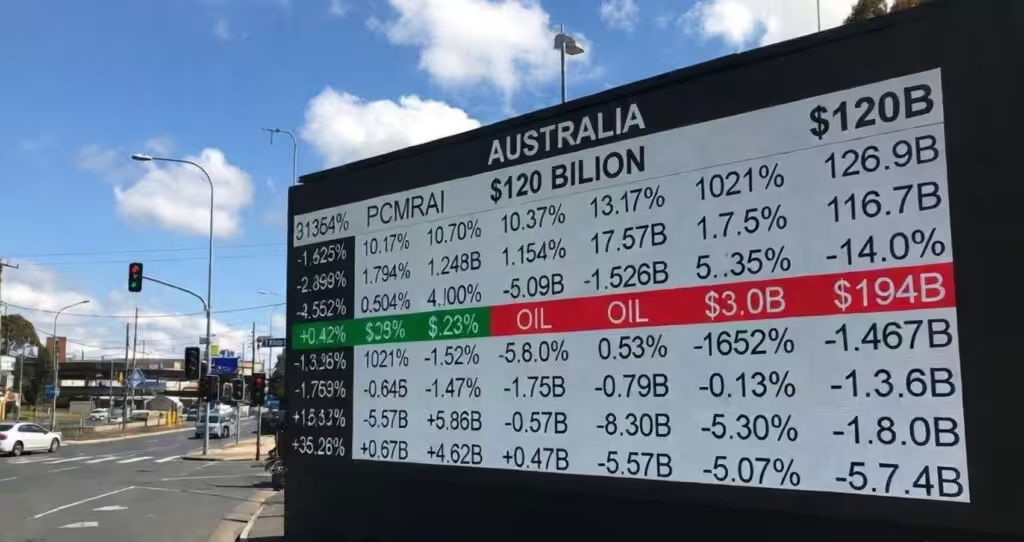

On Monday, Australian share prices saw a major decline, with a massive jump in global oil prices expected to lead to yet another inflation shock.
About $120 billion was wiped from the market during the worst point of the day and the S&P/ASX 200 index fell by approximately 4% by lunch time.
But over the course of the day saw some recovery to pierce through a total decline of 2.85% on stronger than anticipated losses in the banking and travel sector.
Downturn in stock prices coincide with rising tensions in the Middle East where oil prices soared to US$119.50 per barrel and the prices reached levels not seen since mid 2022.
The geographical area of concern for traders is the Strait of Hormuz, which is the narrow shipping space that contains about 20% of the world’s oil supply.
Concerns around the potential for a prolonged period of supply disruption to constrict fuel supplies and maintain then elevated prices.
The local market was broadly affected by the pain in the local economy. BHP dropped by 4.4% early in the day and Rio Tinto fell by 2.9%, while the major banks fell between 2.4% and 3%.
Qantas was down as much as 9.1% during trade, while energy related companies are doing well, with Yancoal and Whitehaven as well as Santos being the big names moving upwards given higher crude pricing.
Increasing oil prices can be related with cost increases in petrol and freight and to the cost of air travel and the overall cost of goods being transferred through an entire economy.
Also Read: Tehran in flames after fresh air strikes hit fuel sites
Investors are already considering the possibility that interest rates may remain higher for an extended period of time as well as persistent inflation pressures.
The downturn on Monday demonstrated how swiftly a conflict abroad can affect local finances, initially at the bowser and then throughout the entire cost of living.