
Tasmania’s biggest lamb exporter has started pulling product back from export channels after losing access to its biggest market in the Middle East as the conflict involving Iran starts to affect global shipping and insurance.
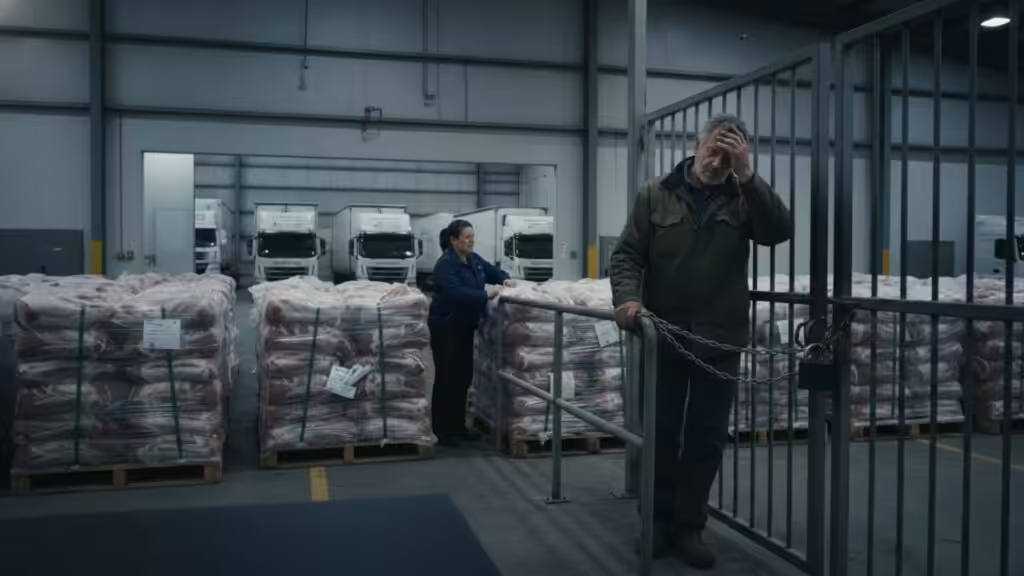
Tasmanian Quality Meats, based at Cressy in the state’s north, said it has stopped and redirected consignments that were already on the way that has left the company with chilled product that now needs to be handled in a different way.
Managing director Jake Oliver said some of the lamb was sitting in Melbourne or moving through transit points, and the business decided it had to bring it back rather than risk it being wasted.
Jake Oliver, managing director of Tasmanian Quality Meats said that “It was the only option we had.”
The company sends about 4,000 lambs a week into the Middle East region with trade worth around $800,000 a week. It said the disruption will force it to shift more product into frozen lines which usually return a lower price.
Mr Oliver said the business had been told there is a new surcharge of US$3,500 on each 40 foot container heading into the Middle East region. He said that is about $5,000 in Australian dollars.
That kind of jump matches wider warnings from the shipping and insurance market. Marine insurers are cancelling war risk cover for vessels in Iranian waters and nearby Gulf areas from March 5 after attacks damaged tankers and left many ships anchored around the Strait of Hormuz.
Industry representatives said the impact is likely to vary across the supply chain. They said air freight and higher value chilled lines are the most at risk when routes tighten and premiums rise.
TasFarmers Livestock Committee head George Shae said it was still unclear how long the disruption would last. George Shae, TasFarmers Livestock Committee head said that “It’s too early to tell where all of this is going to go.”
Tasmanian Quality Meats said it will scale back operations while it waits for conditions to settle as exporters and producers watch for any easing in regional tensions and freight costs.