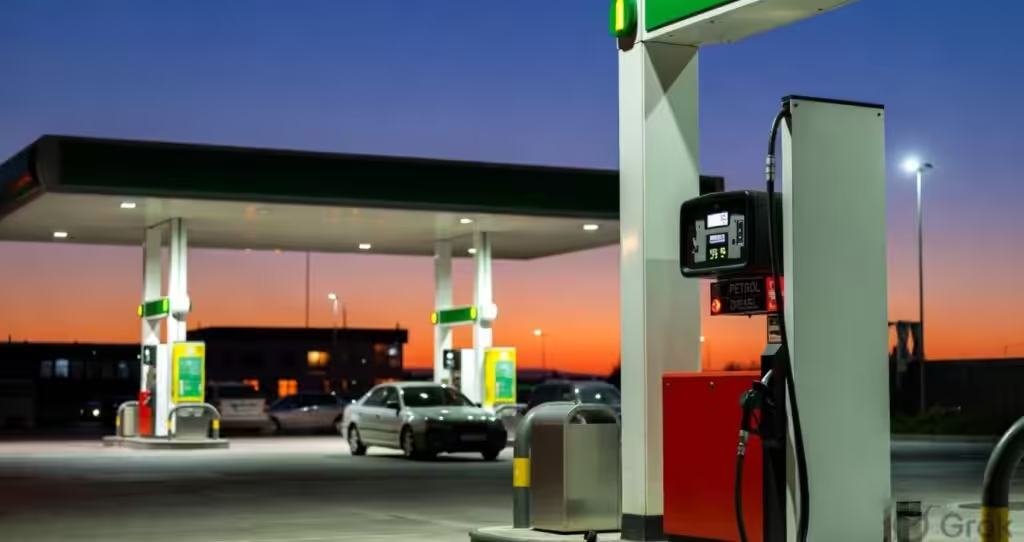

Motorists in Australia should not panic and rush out to fill their tanks, as there is still little reason to believe that rising crude oil prices will mean immediate price increases at the bowser.
According to NRMA spokesperson, Peter Khoury, even though crude prices may rise significantly in the short term it will take 7 to10 days for the impacts to be felt in Australian retail fuel prices.
While Khoury does expect that retail fuel prices will eventually reflect the expected increase in crude price, it will depend on how long oil prices remain at the current elevated levels.
Khoury pointed out that the current high prices at the bowser in cities like Sydney, Melbourne and Brisbane were due to being at the top of their weekly price cycle and not the result of rising crude prices.
This warning comes as a result of the recent US and Israeli action against Iran and the resulting risk of future shipping disruptions through the Strait of Hormuz, which is an essential route for global energy supplies.
The strikes and anticipated retaliatory actions by Iran have raised concerns about potential disruptions to oil flows and general regional instability.
On Monday, SBS reported that Brent crude rose approximately 8.8% in value as traders look to assess whether this potential conflict will generate large increases in the cost of transportation and insurance throughout the region.
Peter Khoury provided the following comments regarding what should happen next, “There is to be no premature cost passing on to the consumer by the industry.”
Our other message is to oil companies, Do not use this as an opportunity to gouge Australians for gasoline or any other product.
In Australia, prices for petrol are set by the marketplace and not regulated, the ACCC issues petrol pricing data and monitors industry conduct across the country.