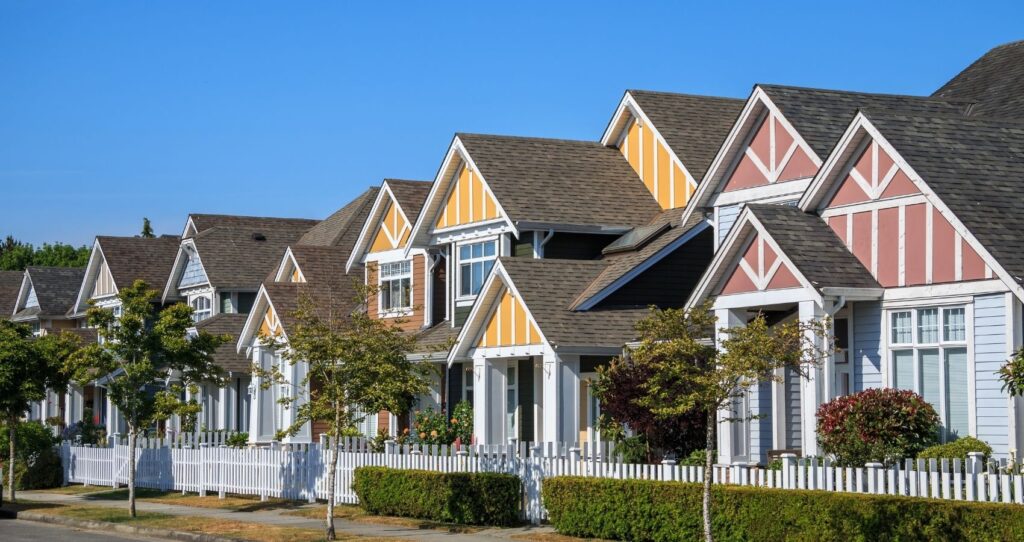

Australian home values finished 2025 with a sharp lift and forecasters are largely expecting prices to keep rising through 2026 even as momentum shows early signs of easing.
Cotality’s national Home Value Index shows dwelling values rose 8.6% over calendar 2025 adding about $71,400 to the national median dwelling value which ended the year at $901,257.
Every capital city recorded higher values over the year, led by Darwin, Perth and Brisbane while Melbourne recorded the smallest annual rise at 4.8%.
However, the same dataset indicates that there was less heat in the market going into 2026. Sydney and Melbourne saw their first month over month decline since January of last year, while national values increased by 0.7% in December, the least increase in five months.
The softening hints at a weaker start to housing trends in 2026, according to Cotality research director Tim Lawless.
Even so, many forecasts still land in the mid single digits for 2026. In November 2025 put expected national growth in 2026 at about 6.9% with major capitals broadly seen in the 5 to 7% range.
The central tension for households and policymakers is whether higher borrowing costs, or even the threat of them, will bite harder than the housing shortage.
The prospect of more budget friendly electric vehicles hitting Australian showrooms in 2026 could also shift household spending decisions, as some buyers weigh a new car against stretching for a home.
The Reserve Bank of Australia’s cash rate target is 3.60%, with the next decision due on 3 February.
The RBA is watching inflation closely after the Consumer Price Index rose 3.8% in the year to October 2025 and trimmed mean inflation was 3.3% both above the central bank’s 2 to 3% target band.
A key government yardstick is the National Housing Accord target to deliver 1.2 million homes over five years from 1 July 2024.
The National Housing Supply and Affordability Council forecast gross new supply of about 938,000 dwellings over that period under baseline settings, implying a shortfall of 262,000 relative to the target.
That lack of new stock is one reason analysts expect prices to keep grinding higher, particularly in suburbs and regions that still look comparatively affordable.
Cotality also notes demand has been deflected towards lower priced segments, with upper quartile values rising more slowly than the rest of the market.
Cotality data shows rents rose 5.2% nationally in 2025 and have increased at an average annual rate of 7.4% over the past five years, even as the pace is well below the near 10% jumps recorded earlier in the decade.
For 2026, the immediate watchpoints are interest rate expectations and the flow of new listings and any sign of a stronger construction pipeline that could relieve the supply squeeze.